
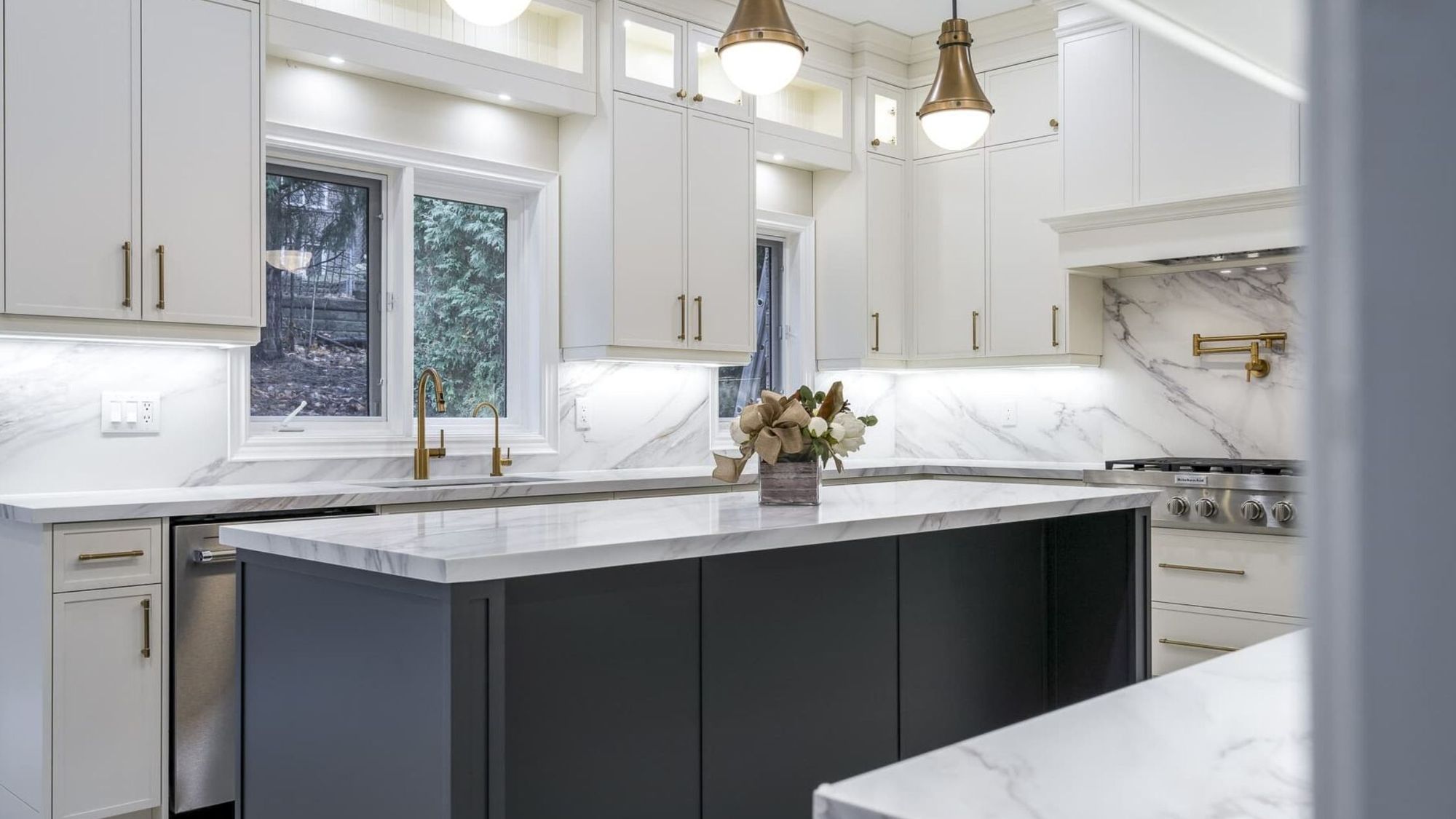
A dream kitchen does not appear overnight. Behind every beautiful kitchen is a thoughtful process that includes creative planning, careful selections, and attention to every small detail. From choosing the perfect layout to selecting finishes that match your lifestyle, each decision shapes the final result.
Many homeowners begin a kitchen renovation with one common question: how long will it take? The answer depends on more than construction work. The design process, material selections, custom features, and installation schedule all play an important role. A successful kitchen remodeling project requires time, patience, and proper coordination to create a space that looks beautiful and works effortlessly for everyday living.
Understanding the Kitchen Renovation Timeline
Every kitchen project is different. Some homeowners may only want updated finishes, while others may need a complete transformation with new layouts, cabinetry, lighting, and architectural changes.
A typical kitchen renovation involves several stages:
- Design and planning
- Material selection
- Ordering products
- Preparation and construction
- Installation
- Final styling and finishing touches
Each stage contributes to the final outcome. Rushing one step can affect the quality of the entire project.
Stage 1: Planning and Design (6 to 12 Weeks)
The first stage is where your vision starts becoming a realistic plan.
Before any work begins, designers focus on understanding how you use your kitchen. A well-designed space should match your daily routines, storage needs, cooking habits, and personal style.
During this phase, important decisions are made about:
- Kitchen layout
- Cabinet design
- Countertop materials
- Flooring options
- Lighting plans
- Colour schemes
- Appliances
- Functional storage solutions
The design stage often takes several weeks because every detail needs careful consideration. A thoughtful plan helps prevent mistakes later and creates a smoother renovation experience.
Stage 2: Selecting Materials and Finishes
Choosing materials is one of the most exciting parts of a renovation. It is also a stage that requires patience. Cabinet finishes, countertops, hardware, flooring, backsplash materials, and lighting fixtures all contribute to the overall look of the kitchen.
Many homeowners are drawn to custom details such as:
- Built-in storage solutions
- Unique cabinetry designs
- Statement backsplashes
- Premium finishes
- Personalized layouts
These elements can create a one-of-a-kind kitchen, but they may also require additional time for production and delivery. Making selections early helps keep the project moving forward.
Stage 3: Ordering and Preparation
Once the design choices are finalized, materials and products need to be ordered. This step is often overlooked when homeowners estimate renovation timelines. Custom pieces and specialty items may have longer lead times, especially when they require detailed craftsmanship.
During this stage, proper coordination is important. Designers and project teams organize schedules, confirm deliveries, and prepare the space for installation. Good preparation creates fewer delays and helps the renovation progress smoothly.
Stage 4: Construction and Installation
This is when the transformation begins to take shape. The timeline depends on the size and complexity of the project.
A simple update may move quickly, while a complete renovation involving layout changes, electrical updates, plumbing adjustments, and custom installations may require more time.
During this phase, the kitchen may go through several changes:
- Removing old features
- Preparing surfaces
- Installing cabinetry
- Adding countertops
- Completing flooring
- Installing lighting and fixtures
- Adding final details
Although this stage can feel disruptive, it is where the original design vision starts becoming reality.
What Can Affect a Kitchen Renovation Timeline?
Several factors can influence how long your project takes.
Project Size
A small kitchen update usually requires less time than a complete redesign. Larger spaces involve more decisions, materials, and installation work.
Custom Features
Personalized elements add character but often require additional planning. Custom cabinetry, specialty finishes, and unique design features may extend the timeline.
Material Availability
Product availability can impact schedules. Ordering materials early helps reduce unexpected waiting periods.
Design Changes
Changes made after construction begins can slow progress. Finalizing important decisions during the planning stage helps maintain a smoother process.
Why the Design Process Matters
A kitchen renovation is not only about replacing old features. It is about creating a space that feels connected, functional, and beautiful.
Professional design focuses on the relationship between every element. The lighting should complement the materials. The layout should support movement. The storage should match your lifestyle. A carefully planned approach helps create a kitchen that feels natural and comfortable instead of simply looking updated.
This is why many homeowners choose professional guidance for their kitchen remodeling projects. Designers help bring together creative ideas, practical solutions, and detailed planning to achieve a cohesive result.
Creating a Kitchen That Fits Your Lifestyle
The best kitchens are designed around the people who use them.
A family that enjoys cooking may need more preparation space and organized storage. Someone who loves entertaining may want an open layout with comfortable seating. A busy household may prefer durable finishes that are easy to maintain.
Your kitchen should reflect the way you live.
A thoughtful kitchen renovation creates more than a beautiful room. It creates a space that supports everyday moments, from morning coffee to family dinners and weekend gatherings.
Concluding Remarks
So, how long does a kitchen renovation really take? The answer depends on your goals, design choices, and project complexity. While timelines can vary, a well-planned process creates better results and a smoother experience.
Taking time during the design stage allows every detail to work together. From the layout and materials to the final finishing touches, each choice contributes to the overall feel of the space.
A successful kitchen transformation is not just about completing a project quickly. It is about creating a kitchen that feels personal, functional, and timeless—a space you will enjoy for many years to come.